Building Solar with Rewarding Impact—For the Land and Nature
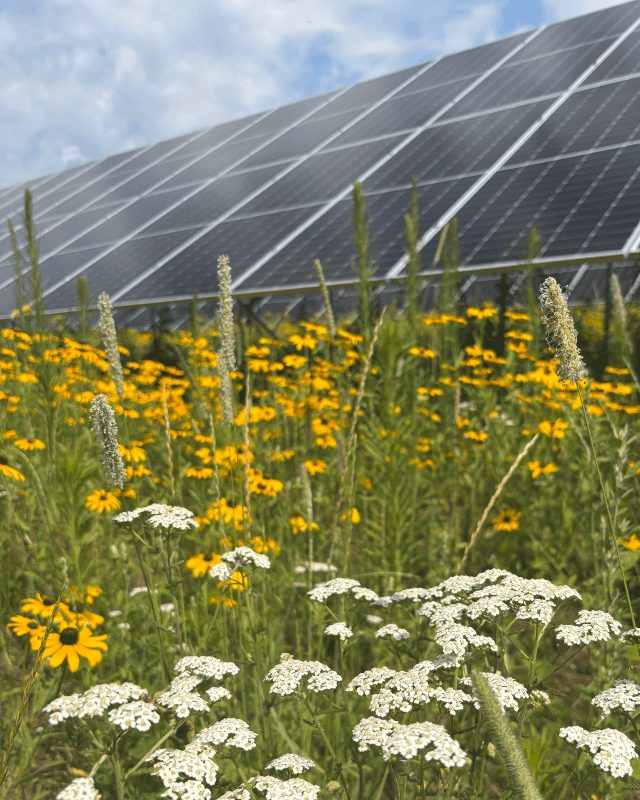
At New Energy Equity, many of our solar sites are pollinator-friendly, supporting clean energy and vibrant local ecosystems. This means we preserve native habitats, support bees, butterflies, and birds, and help landowners build lasting value for their land and community.
What Makes a Site Pollinator-Friendly?
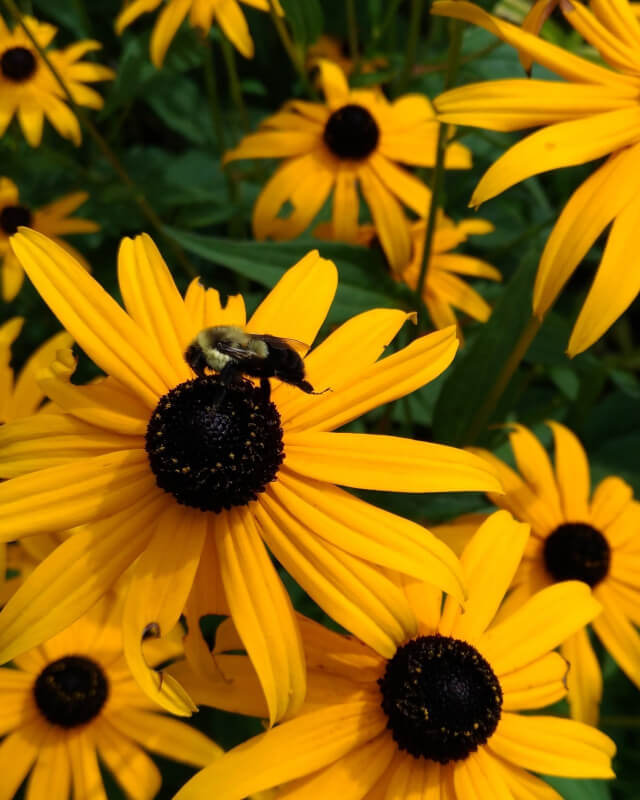
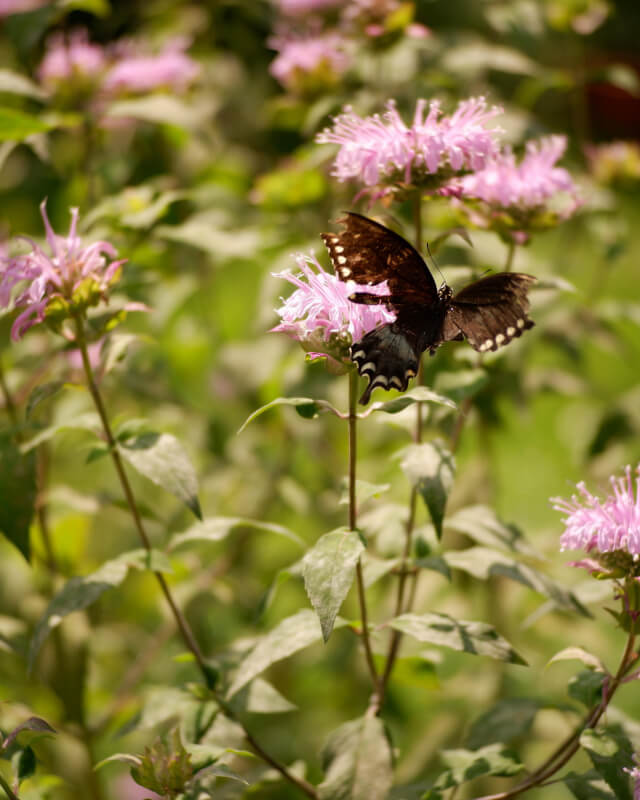
A pollinator-friendly solar site is one where we plant native grasses and wildflowers that support pollinator species – like bees, butterflies, and birds – for the entire life of the project. These plants provide essential food and habitat for pollinators, which play a critical role in our environment by helping crops and wild plants reproduce, improving soil health, and supporting biodiversity.
To create these habitats, our pollinator-friendly sites use locally sourced, regionally appropriate seed mixes selected to support native pollinators and wildlife in each region. Rather than attempting a full restoration of historic ecosystems, these plantings are designed to function as productive, resilient habitats that work in conjunction with solar energy generation – creating environmental value while maintaining long-term site performance. Seed mixes are selected with the help from local partners to ensure they're well suited to each site's soil, climate, wildlife, and regional conditions.
Ecoregions:
Seed mixes are largely similar from state to state, and we use locally sourced seeds whenever possible, relying on trusted local EPCs and contractors to select the best fit for each site. While many of the species planted have wide natural ranges, the specific mix is determined by local expertise and availability.
- In the Midwest (Illinois, Minnesota), we refer to these as "prairie" or "pollinator" mixes.
- On the East Coast (New York, Maryland), we use "meadow" or "native woodland restoration" mixes.
How Do We Manage Pollinator Sites?
Restoring native pollinator habitats is a long-term commitment. Here's how we do it:
- Panel Areas: We use dry/mesic short grass mixes with "pioneer species" like Black-eyed Susan (Rudbeckia hirta), Wild Bergamot (Monarda fistulosa), and Butterfly Milkweed (Asclepias tuberosa). Mixes may also include more conservative or rare species, such as Lead Plant (Amorpha canescens) in Minnesota, which take longer to mature but attract unique pollinators over time.
- Drainage Basins: Wet soil mixes support water retention and biodiversity.
- Mowing Practices: We mow near panels 2-3 times each summer, leaving middle alleys uncut so pollinator plants can complete their life cycle and generate seeds. At season's end, a full site mow mimics natural prairie fires, with some patches intentionally left unmown for winter wildlife habitat. This approach can make sites look a little "messy" at times, but that's by design—unmown areas are essential for pollinators and healthy ecosystems.
- Timelines: Prairies and meadows take 3-5 years to mature, with intensive management early on, then minimal maintenance.
- Self-Regulation: Pollinator plants eventually crowd out weeds, creating a self-sustaining ecosystem.
Our Commitment
We're not just building solar projects—we're preserving land, supporting pollinators, and creating lasting value for landowners and communities. Our pollinator-friendly sites show our promise: Building Solar with Rewarding Impact.
Want to learn more about hosting a pollinator-friendly solar project? Contact New Energy Equity or visit Community Benefits | New Energy Equity.