Solar and agriculture can work together.
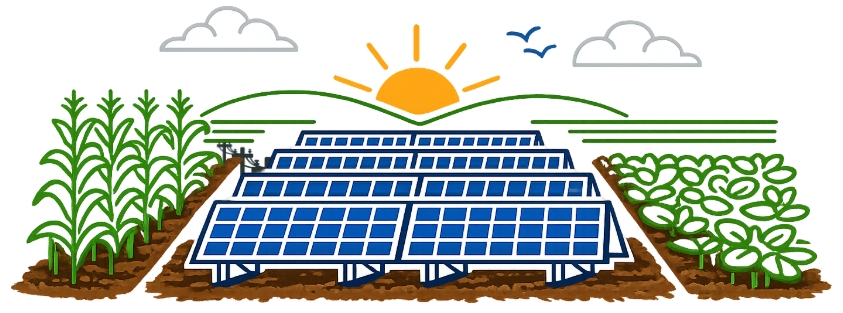
Farmers don’t have to choose between food and energy. With thoughtful planning, solar projects can be sited on a portion of farmland, while the rest remains actively farmed. This balanced approach helps protect natural resources, strengthen ecosystems, and keep agricultural land productive for generations.
When solar and agriculture coexist, the results are a set of tangible environmental benefits that support both farming and clean energy:
Preserves Productive Land
Solar projects do not permanently remove land from agriculture. There is no blacktop or permanent paving. Systems are installed with driven posts, not concrete slabs, allowing soil to rest and recover. At the end of a project’s life, equipment is fully removed, and land can return to farming with improved soil conditions. Many landowners choose to co-locate solar and agriculture together since they are good neighbors.
Protects Soil Health
Periods without tilling, heavy equipment, or intensive cropping allow soil structure to be rebuilt. Native vegetation also increases organic matter, improves water filtration, and reduces compaction – helping farmland return healthier and more resilient.
Builds Climate Resilience
Healthy soils store more carbon and retain moisture, helping land better withstand droughts, heavy rainfall, and temperature extremes.
Improves Water Quality
Wildflowers and deep-rooted plant species are planted around solar projects to reduce erosion, runoff, and nutrient leaching, helping protect nearby streams, rivers, and groundwater.
Supports Pollinators & Wildlife
Pollinator-friendly plantings on solar sites provide critical food and shelter for bees, butterflies, birds, and other beneficial wildlife. These species support nearby farms by improving pollination and strengthening local ecosystems.
Delivers Carbon-Free Energy
Solar projects generate electricity without air pollution, reducing greenhouse gas emissions – helping combat climate change while meeting growing energy demand.
Landowner Stories
New Energy Equity works with farmers and ranchers to build solar projects that co-exist with their agricultural operations.
Eichten’s Hidden Acres
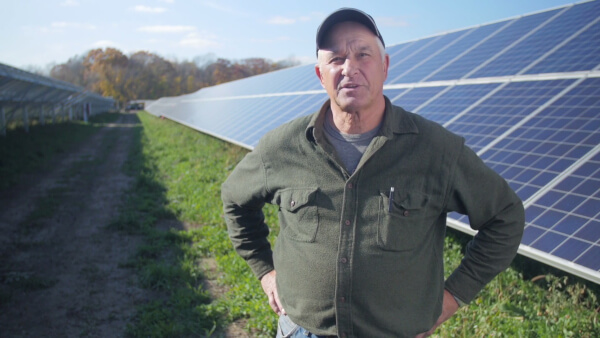
Eichten’s Hidden Acres is a family-owned cheese and buffalo ranch in Center City, Minnesota that has blended sustainable farming with clean energy since 1976. In partnership with New Energy Equity, the farm now hosts a ground-mounted solar array of 15,552 panels on a 25-year lease, generating approximately 6.4 million kWh of electricity each year — enough to power about 650 homes annually -- while also supporting local community solar subscribers through utility bill credits.
The project reflects Eichten’s commitment to energy efficiency, environmental stewardship, and long-term farm viability, with New Energy Equity guiding the project seamlessly from permitting through construction. Together, the partnership delivers reliable renewable power, a multi-generational income stream for the Eichten family, and meaningful environmental benefits for the surrounding community.
Watch how Ed is co-locating solar and agriculture here.
McCormick Farm
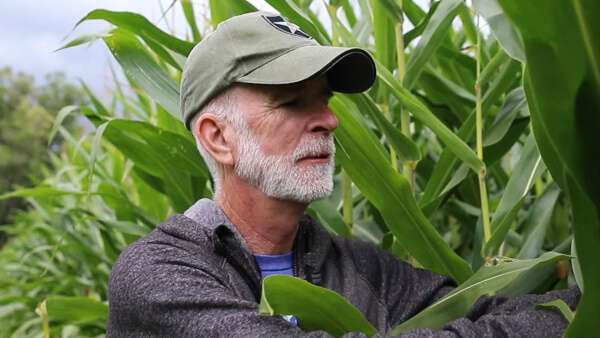
Terry McCormick’s family farm in Andover, New York — rooted in more than a century of agricultural history — has found a sustainable path forward through a community solar partnership with New Energy Equity. By leasing 26 acres of land for a 25-year solar project, the McCormick's secured reliable, long-term income while preserving farm ownership and continuing traditional crop production around the site. Completed in January 2025, the project features 12,975 panels totaling 7,016 kWdc and produces approximately 9.3 million kWh of clean electricity each year, enough to power about 835 homes annually.
With NEE managing the process from permitting through construction, the solar farm delivers meaningful environmental benefits and financial stability — ensuring the land remains productive and self-sustaining for generations to come.
Watch how Terry is able to continue traditional crop production and host a solar project site here.